
Author: eriq elikplim

  • ASU Mastercard Scholarship 2026-2027: Complete Application Guide

    ASU Mastercard Scholarship 2026-2027: Complete Application Guide

    The ASU Mastercard Scholarship Program offers comprehensive support to talented students who want to make a difference in their communities.

    Pursuing higher education at a world-class institution such as Arizona State University shouldn’t be limited by financial constraints.

    This guide walks you through everything you need to know about applying for the scholarship cycle starting in 2026.

    Table of Contents

    Understanding the Mastercard Foundation Scholars Program at ASU

    Arizona State University partners with the Mastercard Foundation to identify and support academically talented young people from Africa who demonstrate leadership potential and a commitment to giving back to their communities.

    Unlike traditional financial aid that simply covers tuition, this program provides a complete support system designed to develop the next generation of change-makers.

    The initiative goes beyond writing checks for school fees. Scholars receive mentorship from faculty members and industry professionals, access to internship opportunities with global organizations, and participate in leadership development programs that prepare them for impactful careers.

    This holistic approach ensures that students don’t just earn degrees—they develop the skills, networks, and confidence to create lasting change.

    Since its inception, the Mastercard Foundation Scholars Program has supported thousands of students across multiple partner universities.

    At ASU specifically, the program has built a vibrant community of scholars who support each other academically and professionally, creating a network that extends long after graduation.

    What Makes ASU Mastercard Scholarship Different

    Most scholarships provide financial assistance and call it a day. The Mastercard Foundation Scholars Program at Arizona State University takes a fundamentally different approach by investing in your complete development as a leader and professional.

    Financial Coverage

    Every scholar receives full tuition coverage for their entire degree program, whether undergraduate or graduate level. Housing costs, including on-campus accommodation, are completely covered.

    Health insurance protects you throughout your studies. Even visa application fees are paid, removing one of the biggest obstacles international students face.

    Academic and Career Support

    Beyond finances, scholars benefit from personalized academic advising to help navigate course selection and career planning.

    Leadership workshops develop skills in communication, project management, and team building.

    Scholars also gain access to ASU’s extensive career services, including resume workshops, interview preparation, and connections to employers.

    Professional Development

    The program arranges internship opportunities with organizations that align with your career goals and values.

    These aren’t just resume fillers—they’re meaningful experiences where you apply classroom learning to real-world challenges.

    Networking events connect you with alumni, industry leaders, and potential employers.

    Scholars also participate in conferences and professional development seminars throughout their time at ASU.

    Community and Belonging

    Adjusting to life in a new country comes with challenges. The program provides a built-in community of scholars who understand your experience.

    Regular social events, study groups, and cultural celebrations help scholars feel at home.

    Peer mentoring connects new scholars with those who’ve already navigated the transition successfully.

    ASU Mastercard scholarship 2026 Requirements – Who Should Apply

    The Mastercard Foundation specifically designed this program for students from Africa who face financial barriers to higher education.

    If you’re wondering whether you fit the profile, consider these characteristics the selection committee values most.

    1. Geographic Focus

    Priority goes to citizens of African countries. While the program primarily serves students from Sub-Saharan Africa, applicants from across the continent are encouraged to apply.

    The foundation particularly seeks to support students from communities that have historically lacked access to higher education opportunities.

    2. Academic Qualifications

    Strong academic performance matters, but the program doesn’t just look at grades. A GPA around 3.0 or higher on a 4.0 scale demonstrates your ability to succeed in rigorous coursework.

    However, the selection committee also considers the educational context you’re coming from.

    They understand that a student who excelled despite limited resources shows just as much promise as someone who attended well-resourced schools.

    For graduate programs, relevant work experience often matters as much as undergraduate grades.

    If you’ve spent time between degrees gaining practical experience or serving your community, this adds value to your application.

    3. Financial Need Requirement

    This scholarship specifically targets students who cannot afford to study abroad without significant financial assistance.

    You’ll need to demonstrate that attending Arizona State University would be financially impossible without scholarship support.

    This doesn’t mean your family must have zero income—it means the cost of international education exceeds what your family can reasonably provide.

    4. Leadership and Community Impact

    The selection committee wants to see evidence that you’ve already started making a difference.

    This might include:

    • Organizing community service projects in your neighborhood or school
    • Taking leadership roles in student organizations or clubs
    • Starting initiatives that address local challenges
    • Mentoring younger students or peers
    • Volunteering with nonprofits or community groups

    You don’t need to have founded an organization or led massive projects.

    Consistent, meaningful engagement in your community carries more weight than a single impressive accomplishment.

    5. Commitment to Return Home

    The program invests in scholars with the expectation that they’ll return to their home countries or regions to apply their education.

    During your application, you’ll need to articulate a clear vision for how your degree will enable you to address challenges in your community.

    This commitment to giving back forms the foundation of the entire program.

    6. English Language Proficiency

    Since instruction at ASU occurs in English, you’ll need to demonstrate proficiency. Most applicants submit IELTS, TOEFL, or similar test scores.

    The specific score requirements vary by program, but generally, you’ll need IELTS scores around 6.5 or TOEFL scores around 80 to be competitive.

    ASU Mastercard Scholarship Important Dates and Deadlines for 2026-2027

    Planning ahead makes the difference between a rushed, stressful application and a thoughtful submission that showcases your best self.

    Here’s your timeline:

    MilestoneDateWhat You Need to Do
    Application OpensTuesday, October 1, 2025Begin your online application; start gathering required documents
    Recommended Document SubmissionFriday, February 15, 2026Submit transcripts, test scores, and recommendations to avoid last-minute issues
    Application DeadlineSunday, March 1, 2026Final deadline for all materials; late submissions not accepted
    Interview InvitationsEarly April 2026Shortlisted candidates receive interview invitations
    Interview PeriodMid-April to Early May 2026Complete your interview with the selection committee
    Final Selection AnnouncementsFriday, May 15, 2026Successful candidates receive scholarship offers
    Acceptance DeadlineMonday, June 1, 2026Confirm your acceptance of the scholarship
    Pre-Departure OrientationJuly 2026Virtual sessions to prepare for life at ASU
    Arrival at ASUEarly August 2026Move into housing and attend orientation
    Classes BeginMonday, August 18, 2026Start of fall semester

    Start preparing well before October 2025. Many applicants underestimate how long it takes to gather transcripts, secure strong recommendation letters, and write compelling essays.

    Beginning your preparation in August or September 2025 gives you breathing room to create an exceptional application.

    ASU Mastercard Scholarship Financial Package Breakdown

    Understanding exactly what the scholarship covers helps you plan your life as a student.

    Here’s a detailed breakdown:

    Expense CategoryCoverage DetailsEstimated Value (Annual)
    Tuition and Fees100% of program tuition for undergraduate or graduate studies$28,000 – $35,000
    HousingOn-campus accommodation in student housing facilities$12,000 – $15,000
    Health InsuranceComprehensive medical coverage meeting visa requirements$2,500 – $3,500
    Visa FeesJ-1 or F-1 visa application and SEVIS fees$350 – $500
    Books and SuppliesStipend for required textbooks and course materials$1,200 – $1,800
    Living ExpensesMonthly stipend for food, transportation, and personal needs$800 – $1,000/month
    TravelRound-trip airfare between home country and Arizona (annual)$1,500 – $3,000

    The total value of the scholarship package ranges from approximately $50,000 to $75,000 per year, depending on your specific program and personal circumstances.

    Over a four-year undergraduate program, this represents an investment of $200,000 to $300,000 in your education and development.

    ASU Mastercard Scholarship 2026 Step-by-Step Application Process

    Successfully applying for the asu mastercard scholarship 2026 requires attention to detail and authentic self-presentation.

    Here’s how to navigate each stage:

    Phase One: Preparation (August – September 2025)

    Start by researching ASU’s programs to identify which degree aligns with your goals.

    Browse department websites, read faculty bios, and understand what makes each program unique.

    This research helps you write compelling essays that demonstrate genuine interest.

    Request your academic transcripts from all institutions you’ve attended. International transcripts often need official translation, which can take weeks. Contact your school’s registrar early to avoid delays.

    Identify potential recommenders—teachers, employers, or community leaders who know your work well.

    Approach them at least two months before the deadline, providing information about the scholarship and what the committee wants to learn about you.

    Begin studying for English proficiency tests if needed. Many students underestimate these exams and score lower than expected on their first attempt. Starting early allows time for retakes if necessary.

    Phase Two: Application Completion (October 2025 – February 2026)

    When the ASU Mastercard portal opens on Tuesday, October 1, 2025, create your account and review all requirements carefully.

    The application includes several components:

    1. Personal Information Section: Provide accurate details about your background, education, and contact information. Double-check all entries for errors.
    2. Academic History: List all schools attended, degrees earned, and grades achieved. Upload official transcripts as required.
    3. Test Scores: Submit English proficiency scores and any other required standardized tests.
    4. Essays and Personal Statements: This is your chance to tell your story. Write authentically about your experiences, aspirations, and why this scholarship matters to you. The committee reads thousands of applications—yours needs to feel genuine and specific to you. Address these key questions in your writing:
      • What challenges have you overcome to reach this point?
      • What specific problems do you hope to address in your community?
      • How will your chosen program at ASU prepare you to make that impact?
      • What have you already done to demonstrate your commitment to community service?
    5. Letters of Recommendation: Request at least three strong letters from people who can speak to different aspects of your candidacy—academic ability, leadership potential, and community involvement. Provide recommenders with clear deadlines and submission instructions.
    6. Resume or CV: Document your educational background, work experience, volunteer activities, leadership roles, and any awards or honors received.

    Phase Three: Final Review and Submission (February – March 2026)

    Before the Sunday, March 1, 2026 deadline, review every section of your application multiple times. Common mistakes that derail otherwise strong applications include:

    • Spelling and grammatical errors in essays
    • Missing or incomplete transcripts
    • Recommendation letters not submitted by recommenders
    • Incorrect or outdated contact information
    • Unsigned required forms

    Ask someone you trust to review your complete application. Fresh eyes catch errors you might miss.

    Submit your application at least a few days before the deadline. Technical issues happen, and the committee doesn’t grant extensions for last-minute submission problems.

    Phase Four: Interview Preparation (April – May 2026)

    If you advance to the interview stage, congratulations—you’re among a select group of finalists.

    The interview allows the selection committee to get to know you beyond your written application.

    Prepare by:

    • Reviewing your application materials so you can discuss them naturally
    • Researching current events in your home country and region
    • Preparing thoughtful questions about the program
    • Practicing answers to common questions about your goals and experiences
    • Ensuring you have reliable internet and a quiet space for virtual interviews

    Typical interview questions include:

    • Why do you want to study at Arizona State University specifically?
    • Describe a challenge you’ve faced and how you overcame it
    • What does leadership mean to you?
    • How do you plan to use your education to benefit your community?
    • Tell us about a time you worked with others to achieve a common goal

    Be yourself during the interview. The committee wants to understand who you really are, not hear rehearsed speeches. Authenticity resonates more than perfect answers.

    How to Craft a Winning Application for ASU Mastercard Schorlarship

    Strong applications share certain characteristics that catch reviewers’ attention.

    Here’s how to make yours stand out:

    Tell Your Unique Story

    Avoid generic statements about wanting to help people or change the world. Instead, share specific experiences that shaped your goals.

    Maybe you saw how lack of clean water affected children’s health in your village, inspiring you to study environmental engineering.

    Perhaps watching your mother struggle as a small business owner motivated your interest in economics and entrepreneurship.

    Concrete details make your story memorable. Instead of saying you value education, describe staying up late studying by candlelight because your home lacked electricity.

    Rather than claiming you’re a leader, tell the story of organizing a tutoring program that helped twenty students improve their grades.

    Connect Your Past to Your Future

    The committee wants to see a clear thread connecting what you’ve already done, what you plan to study, and how you’ll use that education.

    If you’re applying to study public health, discuss your volunteer work at a local clinic and explain how a degree in epidemiology will let you design better health interventions.

    Demonstrate Impact, Not Just Participation

    Many applicants list impressive activities without showing their actual contribution.

    Don’t just mention you belonged to environmental club—explain that you launched a recycling initiative that collected five tons of plastic in six months and educated 500 community members about waste management.

    Focus on outcomes and what changed because of your involvement. Numbers help: students taught, funds raised, people reached, problems solved.

    Address Challenges Honestly

    The selection committee understands that many applicants face significant obstacles.

    Don’t shy away from discussing difficulties you’ve encountered—but frame them in terms of what you learned and how you grew. Resilience and resourcefulness are valuable qualities.

    Show Cultural Awareness

    You’ll be studying in a different country with customs and perspectives that may differ from home. Demonstrate openness to new experiences while maintaining connection to your roots.

    Discuss how you’ll contribute to ASU’s diverse community while learning from classmates with different backgrounds.

    Be Specific About ASU

    Generic statements about ASU’s reputation don’t impress the committee. Research the specific professors, research centers, programs, or opportunities that attract you.

    Mention faculty members whose work aligns with your interests. Reference unique ASU initiatives like their focus on innovation and social impact.

    Life After Selection

    Receiving the scholarship offer marks the beginning of an exciting journey.

    Here’s what scholars experience:

    Pre-Arrival Preparation

    Between May and August 2026, accepted scholars participate in virtual orientation sessions covering practical topics like navigating the visa process, understanding American academic culture, preparing for Arizona’s climate, and connecting with current scholars.

    You’ll receive detailed information about housing options, course registration, and what to bring from home. The program staff remains available to answer questions and address concerns as you prepare for this major transition.

    Arrival and Orientation

    Most scholars arrive in Arizona in early August 2026. The university organizes airport pickup and helps with initial settling-in tasks.

    New student orientation introduces you to campus resources, academic expectations, and support services.

    Mastercard Foundation Scholars participate in additional orientation specifically designed for the cohort. You’ll meet fellow scholars, program staff, and alumni.

    These sessions cover program expectations, available resources, and strategies for success.

    Academic Experience

    As classes begin on Monday, August 18, 2026, you’ll join a diverse student body at one of America’s largest public universities.

    ASU offers hundreds of degree programs across multiple campuses and online platforms.

    Your academic journey includes:

    • Rigorous coursework taught by renowned faculty
    • Research opportunities to explore your interests deeply
    • Access to state-of-the-art facilities and technology
    • Academic advising to keep you on track toward graduation
    • Tutoring and support services if you need additional help

    Professional Development

    Throughout your time at ASU, you’ll participate in workshops and programs designed to develop professional skills. Topics include resume writing, interview techniques, networking strategies, and career planning.

    The program facilitates connections with potential internship hosts, starting as early as your first year. These experiences let you apply classroom knowledge to real situations while building your professional network.

    Leadership Formation

    Regular leadership seminars explore topics like ethical decision-making, social entrepreneurship, project management, and community organizing.

    Guest speakers share insights from their careers making positive impact.

    Scholars also engage in group projects addressing real community challenges, developing teamwork skills and practical problem-solving abilities.

    Community Building

    The scholars community becomes a second family for many participants. Regular gatherings, cultural celebrations, and study groups foster connection.

    Older scholars mentor newer ones, sharing wisdom about navigating academic and personal challenges.

    This network extends beyond graduation. Alumni often collaborate on projects, support each other’s ventures, and maintain lifelong friendships formed during their time at ASU.

    ASU Mastercard Scholarship 2026-2027 FAQs

    What grades do I need to be competitive?

    While academic excellence matters, the program considers your entire profile.

    A GPA around 3.0 or higher on a 4.0 scale makes you competitive, but exceptional leadership and community impact can sometimes outweigh slightly lower grades.

    The committee evaluates your academic performance in context, understanding different educational systems and opportunities available to you.

    Can I apply if I’m already enrolled at another university?

    The program typically focuses on students who haven’t yet started university or are in their early years of study.

    If you’re currently enrolled elsewhere, contact the program office to discuss your specific situation. Transfer students may be considered in some cases.

    Do I need to have specific leadership titles or awards?

    No. The committee values consistent, meaningful engagement over impressive titles.

    Leading a small community initiative that genuinely helped people carries more weight than holding a leadership position without real responsibility or impact.

    Focus on demonstrating how you’ve made a difference rather than collecting credentials.

    What if English isn’t my strongest subject?

    Many successful scholars weren’t initially confident in their English abilities.

    What matters is reaching the minimum proficiency level required for admission and showing willingness to improve.

    ASU offers support services for international students, including writing centers and conversation partners.

    Can I choose any major at ASU?

    The scholarship supports students across all undergraduate and graduate programs offered by Arizona State University. However, your chosen field should clearly connect to your goals for community impact.

    The program particularly welcomes applicants interested in fields like public health, education, engineering, business, social work, and environmental science—but students pursuing any discipline with clear social benefit are encouraged to apply.

    What happens if I don’t maintain good grades?

    The scholarship requires maintaining satisfactory academic progress, typically a GPA above 2.5 or 3.0, depending on your program. If your grades slip, you’ll first receive academic support and counseling to help you improve.

    The program wants you to succeed and provides resources to help you do so. Only in cases of persistent academic difficulties might the scholarship be affected.

    Am I required to return home immediately after graduation?

    While the program expects scholars to ultimately return and contribute to their home countries or regions, the timeline varies. Some scholars return immediately after earning their degrees.

    Others pursue graduate education, complete internships, or gain work experience before returning. What matters is your long-term commitment to applying your education for community benefit in your home region.

    Can I bring family members with me?

    The scholarship covers expenses for the scholar only. However, if you have dependents, you can discuss your situation with the program office. In some cases, arrangements can be made, though you’ll be responsible for additional costs associated with family members.

    How competitive is the selection process?

    While exact numbers vary by year, the program is highly competitive. Thousands of students apply for a limited number of scholarships.

    However, don’t let this discourage you. Many successful scholars initially doubted their chances but applied anyway. A strong, authentic application can stand out even in a competitive pool.

    What support is available for mental health and wellbeing?

    ASU provides comprehensive counseling and psychological services to all students. The Mastercard Scholars Program also recognizes the unique challenges international students face and offers additional support through mentorship, peer networks, and staff who understand your experience.

    Tips From Current ASU Mastercard Scholarship Scholars

    Students who’ve successfully gone through this process offer valuable advice:

    Start Early

    Almost every scholar wishes they’d begun preparing sooner. Starting in August or September 2025 gives you time to craft thoughtful essays, secure strong recommendations, and handle unexpected obstacles without stress.

    Be Authentic

    Reviewers read thousands of applications. Generic essays about wanting to help people blend together. Your unique story, told honestly, stands out. Don’t try to write what you think the committee wants to hear—share what genuinely matters to you.

    Proofread Everything

    Small errors undermine otherwise strong applications. Have multiple people review your essays. Read everything aloud to catch mistakes your eyes might skip.

    Choose Recommenders Carefully

    A lukewarm letter from an impressive person helps less than an enthusiastic letter from someone who knows you well. Select recommenders who can provide specific examples of your abilities and character.

    Connect With Current Scholars

    Many current Mastercard Foundation Scholars at ASU are happy to share their experiences and advice. Reach out through LinkedIn or ASU’s official channels to ask questions and learn from their journey.

    Don’t Give Up

    The application requires significant effort. Some days you’ll feel overwhelmed or doubt your chances. Remember why this opportunity matters to you and keep pushing forward.

    Many successful scholars experienced similar doubts but submitted excellent applications anyway.

    Beyond ASU: The Larger Mastercard Foundation Network

    Receiving this scholarship connects you to more than just Arizona State University.

    The Mastercard Foundation Scholars Program operates at multiple institutions worldwide, creating a global network of young leaders committed to social impact.

    This network includes:

    • Annual conferences bringing together scholars from different partner universities
    • Online platforms connecting scholars globally for collaboration and support
    • Alumni networks in multiple countries providing mentorship and career opportunities
    • Joint projects where scholars from different institutions work together on challenges
    • Leadership programs and workshops offered regionally and internationally

    Many alumni credit this broader network as one of the program’s most valuable benefits.

    You’ll build relationships with talented, driven peers from across Africa and beyond, creating partnerships that continue long after graduation.

    Making Your Decision

    If you receive a scholarship offer on Friday, May 15, 2026, you’ll have until Monday, June 1, 2026, to accept. This represents a significant life decision that deserves careful consideration.

    Before accepting, think about:

    • Whether you’re ready for the challenges of studying abroad
    • How this opportunity aligns with your long-term goals
    • Your commitment to returning home to make an impact
    • Whether ASU’s specific programs fit your interests
    • Your readiness to fully engage with the program’s expectations

    The scholarship offers tremendous opportunity, but it also comes with responsibility.

    Scholars are expected to maintain good academic standing, participate actively in program activities, engage with their cohort, and uphold the program’s values.

    If you’re uncertain, speak with program staff, current scholars, or alumni. They can provide perspective to help you make an informed decision.

    Taking the Next Step

    The ASU Mastercard Scholarship 2026-2027 represents a transformative opportunity for talented students who want to make a difference.

    If you meet the eligibility criteria and feel ready for this challenge, start preparing your application now.

    Visit Arizona State University’s official admissions website and the Mastercard Foundation Scholars Program page for the most current information and application portal access.

    Mark Tuesday, October 1, 2025, on your calendar as the day applications open.

    Remember, this journey begins with a single step: deciding to apply. Your background, experiences, and aspirations are unique.

    The selection committee wants to discover students like you—individuals who combine academic talent with genuine commitment to improving their communities.

    The world needs the leaders this program aims to develop. You might be exactly who they’re looking for.
  • UF Financial Aid: Complete Guide for Students in 2026-2027

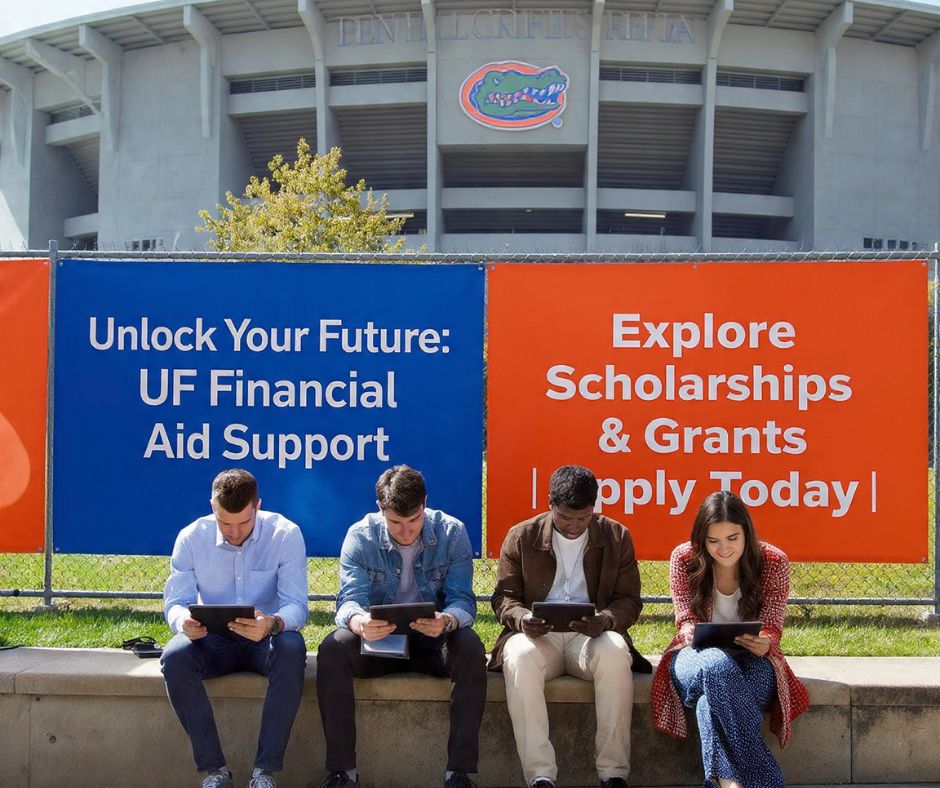
    UF Financial Aid: Complete Guide for Students in 2026-2027

    For students and families concerned about college costs, UF financial aid programs offer substantial support that makes a world-class education accessible to students from diverse economic backgrounds.

    The University of Florida stands as one of the nation’s top public universities, consistently ranking among the best values in higher education.

    Each year, the University of Florida distributes over $400 million in financial assistance to help students manage tuition, housing, textbooks, and living expenses. 

    Whether you’re a Florida resident eligible for Bright Futures scholarships, an out-of-state student seeking tuition waivers, or a graduate student pursuing advanced degrees, comprehensive aid packages can significantly reduce your educational investment.

    Understanding the UF financial aid landscape involves navigating federal programs, state assistance, institutional scholarships, and specialized funding opportunities. 

    Students successfully combine multiple funding sources through the Free Application for Federal Student Aid (FAFSA) and manage their awards through the intuitive One.UF portal system.

    This definitive guide explores application processes, available funding types, critical deadlines, eligibility requirements, and disbursement procedures. 

    We’ll address frequently asked questions, including international student opportunities, appeal processes, and maximizing aid through strategic planning.

    Key Highlights:

    • The FAFSA for the 2026–2027 opens on Wednesday, October 1, 2025.
    • To be considered for UF priority awards, submit your FAFSA and any required UF forms by Sunday, February 15, 2026.
    • Florida state aid must be processed by Friday, May 15, 2026, so file early to preserve eligibility for programs like Bright Futures and the Florida Student Assistance Grant.
    • The University of Florida distributes more than $400,000,000 annually in grants, scholarships, loans, and work-study to support students.
    • Apply at StudentAid.gov and manage your award details and requirements through the ONE.UF portal.

    Table of Contents

    How to Apply for UF Financial Aid 2026

    At the University of Florida, the cornerstone of your financial aid application is the FAFSA (Free Application for Federal Student Aid). 

    The Student Financial Aid and Scholarships office (SFA) strongly encourages students to complete their FAFSA online at studentaid.gov for the fastest processing.

    Although you must be accepted for enrollment at UF before you are considered for financial aid packages, you should apply for aid before being admitted. 

    This ensures your application is processed and ready when your admission is confirmed.

    The University of Florida provides helpful FAFSA videos covering topics including how to apply for aid, creating an FSA ID, understanding dependency status, and more.

    Step 1: Complete Your FAFSA as Early as Possible

    Applying for UF financial aid begins with completing the Free Application for Federal Student Aid (FAFSA).

    How to Complete Your FAFSA:

    1. Create Your FSA ID
      • Visit the Federal Student Aid’s FSA ID site at studentaid.gov
      • Follow the instructions to establish your secure login credentials
      • An FSA ID gives you access to Federal Student Aid’s online systems and serves as your legal electronic signature
      • For dependent students: Your parents must also obtain their own FSA ID to sign your FAFSA electronically
    2. Access FAFSA on the Web
      • Go to studentaid.gov and navigate to the FAFSA application
      • Follow the step-by-step instructions provided on the site
      • Have your tax documents, W-2 forms, and financial records ready
    3. List University of Florida
      • In Step Six of the FAFSA, add the University of Florida as a school choice
      • Enter UF’s Federal School Code: 001535
      • You can list up to ten schools on your FAFSA
    4. Sign Your FAFSA Electronically
      • Students sign using their FSA ID
      • Parents of dependent students must sign using their own FSA ID (not the student’s)
      • Electronic signatures process faster than paper signatures
    5. Remember to Reapply Annually
      • Financial aid is NOT renewed automatically
      • You must submit a new FAFSA each academic year
      • Set a reminder for October 1st each year

    Get Free FAFSA Assistance:

    • Visit studentaid.gov resources page for comprehensive help resources
    • Call 1-800-433-3243 (1-800-4-FED-AID) for phone assistance
    • Access multilingual support and resources online

    Important Note for DACA Students

    The Deferred Action for Childhood Arrivals (DACA) status is conferred by the USCIS office in the Department of Homeland Security. 

    While students granted DACA are normally assigned a Social Security number, they are not eligible for federal Title IV aid programs. 

    DACA students should contact the UF financial aid office to discuss alternative funding options and state aid eligibility.

    Step 2: Verify Your FAFSA Information

    After successfully submitting your FAFSA, you’ll receive important confirmation information that you should save.

    Confirmation Page Details:

    Immediately after submission, the FAFSA displays a confirmation page containing:

    • Your unique confirmation number
    • Your unique Data Release Number (DRN)
    • A summary of next steps in your financial aid application process
    • A summary of federal aid you MAY be eligible for, including estimated amounts

    Action Required: Print the confirmation page and keep it with your financial aid records.

    Federal Student Aid Report (SAR):

    Once your FAFSA has been successfully processed by the federal processor, you will receive a Student Aid Report:

    • Email delivery: If you provided an email address, receive your SAR as soon as 24 hours after processing
    • Mail delivery: Receive your SAR by USPS within 3-5 days if no email was provided

    What’s on Your SAR:

    • Your Student Aid Index (SAI) – formerly called Expected Family Contribution (EFC)
    • Complete listing of information you recorded on your FAFSA
    • Schools that will receive your FAFSA information
    • Your eligibility for federal aid programs

    Review Your SAR Carefully:

    1. Check all information for accuracy
    2. If no corrections are needed, keep the SAR with your financial aid records
    3. If corrections are necessary, go to FAFSA on the Web and select “Make Corrections to a Processed FAFSA”
    4. Verify that UF (school code 001535) is listed in the SAR’s “College Release Section”
    5. If UF is not listed, correct your SAR to include it

    Important: If your email or mailing address changes, update it with the federal processor using FAFSA on the Web. This ensures you receive your Student Aid Report, electronic PIN, Renewal Reminder, and other important correspondence.

    Step 3: Follow Up and Complete Verification

    After submitting your FAFSA, actively monitor your application status and respond to any requests promptly.

    Monitor Your Application:

    • Check the status of your aid application and award on ONE.UF portal regularly
    • Look for email notifications from UF financial aid office
    • Review your UF financial aid email account frequently

    Federal Verification Process:

    If your application is selected for Federal Verification, you will be required to provide documentation before aid can be disbursed to you:

    • Respond promptly to all requests for information or documentation
    • Missing documents delay your aid package and disbursement
    • Most forms are available to print from your “financial aid status” page on ONE.UF
    • Additional forms can be found on SFA’s Forms page

    Common Verification Documents:

    • IRS Tax Return Transcripts
    • W-2 forms
    • Verification worksheets
    • Identity and statement of educational purpose
    • Proof of citizenship or eligible non-citizen status

    Step 4: Review and Respond to Your Financial Aid Offer

    Once your financial aid file is complete and you have been admitted to UF, the Student Financial Aid and Scholarships office will send you a financial aid offer based on your demonstrated need.

    How You’ll Receive Your Offer:

    • All financial aid offers and correspondence will be sent to you by email
    • Check your UF email account regularly
    • Also check the ONE.UF portal for your complete aid package details

    Understanding Your Financial Aid Offer:

    Your Financial Aid Offer will state the terms and conditions of all aid programs offered to you:

    • Carefully read all information accompanying your financial aid offer
    • Follow all instructions provided
    • Note acceptance deadlines and requirements
    • Understand renewal criteria for scholarships

    Accepting or Declining Aid:

    You must formally accept or decline offered aid using the ONE.UF portal:

    Automatically Accepted:

    • Grants (such as Pell Grant, FSEOG)
    • Scholarships (institutional and external)

    Requires Explicit Acceptance:

    • Federal student loans (subsidized and unsubsidized)
    • Work-study employment awards
    • Parent PLUS loans

    Important Considerations:

    • You can accept all, some, or none of the aid offered
    • You may decline or reduce loan amounts to minimize debt
    • Accepting work-study does not guarantee a job; you must apply for positions
    • Review the total cost of attendance and your expected out-of-pocket expenses

    Loan Acceptance Requirements:

    • First-time borrowers must complete Entrance Counseling at studentaid.gov
    • Sign a Master Promissory Note (MPN) electronically
    • Understand repayment obligations before accepting loans

    UF Financial Aid Deadlines

    The FAFSA opens annually on Wednesday, October 1, 2025, for the following academic year. For the 2026-27 academic year, students can submit their FAFSA applications beginning Wednesday, October 1, 2025. 

    Students should submit their applications as early as possible after this date, but no later than Monday, June 30, 2027, for federal aid consideration.

    The UF FAFSA deadline for priority consideration for state and institutional programs typically requires submission by Friday, January 31, 2026. For Florida state aid programs, the processing deadline is Friday, May 15, 2026.

    As one Reddit user noted, “UF usually sends financial aid packages sometime in April” for incoming first-year students, while continuing students receive updated packages in June or July following FAFSA processing completion.

    CategoryDetails
    Academic Year CoveredJuly 1, 2026 – June 30, 2027
    FAFSA OpensOctober 1, 2025 — Submit as soon as possible after this date.
    Federal Submission DeadlineJune 30, 2027 — FAFSA must be received by this date.
    Florida State Aid DeadlineMay 15, 2026 (date processed) — Required for programs such as the Florida Student Assistance Grant (FSAG) and Bright Futures verification.
    UF Priority FAFSA DeadlineFebruary 15, 2026 — Recommended for full consideration of UF grants, need-based scholarships, and limited state funds.
    UF Admission-Related Scholarship DeadlinesVary by program; generally, December 1, 2025, for incoming freshmen to receive automatic merit scholarship consideration (e.g., Presidential and Out-of-State Tuition Waivers).
    UF Financial Aid OfficeStudent Financial Affairs (SFA)
    Aid Types CoveredFederal (Pell, SEOG, Work-Study, Direct Loans), State (FSAG, Bright Futures), UF Institutional Grants & Scholarships.
    Special CircumstancesIf family income or dependency status changes, submit FAFSA, usually, then contact UF’s SFA office to request a Special Circumstances Review.
    Disbursement Date – Fall 2026Wednesday, August 19, 2026 (estimated) — Aid applied to student accounts once classes begin and enrollment is confirmed.
    UF Enrollment RequirementMust be degree-seeking and enrolled at least half-time (6+ credits for undergraduates) to receive most federal/state aid.
    UF SAP Policy (Renewal Requirement)Maintain Satisfactory Academic Progress (SAP) — GPA ≥ 2.0, 67% completion rate, and within the maximum time frame (150% of program length).
    FAFSA Websitestudentaid.gov — fastest and easiest way to file.
    Help ContactUF Office of Student Financial Aid & Scholarships: (352) 392-1275 or sfa-help@mail.ufl.edu
    Date / PeriodMilestoneAction Required
    October 1, 2025FAFSA OpensFile your FAFSA as soon as possible for priority consideration.
    Dec 1, 2025UF Scholarship ConsiderationDeadline for UF merit scholarships (e.g., Presidential, Out-of-State Waivers).
    Feb 15, 2026UF FAFSA Priority DeadlineTo ensure eligibility for UF and state-based funds.
    April–May 2026Aid Offers ReleasedReview award packages via ONE.UF.
    May 15, 2026Florida State DeadlineFinal date for state aid consideration (FSAG, Bright Futures).
    August 19, 2026 (est.)Fall DisbursementAid applied to UF student accounts. Confirm enrollment and clear any holds.

    UF Financial Aid Eligibility Requirements

    Core Eligibility Criteria

    Requirement categoryDetailsNotes specific to UF
    Admission statusMust be admitted to a degree-seeking program.Non-degree, visiting, or guest students are generally not eligible for most federal/state institutional aid.
    Enrollment levelMinimum half-time enrollment for most programs to qualify for federal student aid.Some UF scholarships or state programs may require full-time status — check each award’s terms.
    Academic progressMust maintain Satisfactory Academic Progress (SAP) (qualitative and quantitative standards).UF follows SAP rules for continued eligibility; failing SAP can lead to loss of aid unless an appeal is approved.
    CitizenshipU.S. citizens, permanent residents, or other eligible non-citizens.Certain federal aid (e.g., Pell, Direct Loans) requires citizenship/eligible non-citizen status; institutional awards may have additional requirements.
    Default statusCannot be in default on federal student loans.Students in loan default must resolve their default status (loan rehabilitation, consolidation, or payoff) before regaining eligibility for federal aid.
    Florida residency impactFlorida residency can affect in-state tuition and eligibility for state grants/scholarships.Being a Florida resident may increase access to state aid and reduce COA via in-state tuition; residency is determined per state/UF rules — contact UF Student Financial Affairs or Registrar for residency determination and how it affects specific awards.

    Florida Residency Impact

    Residency classification dramatically affects both tuition costs and aid eligibility. Florida residents benefit from in-state tuition rates approximately 70% lower than non-resident charges, plus access to exclusive state programs.

    In-State Benefits:

    • Bright Futures Scholarship eligibility
    • Florida Student Assistance Grant access
    • Reduced tuition and fees
    • Additional state-funded programs

    Residency Requirements: 

    Students or their parents must establish Florida domicile for at least 12 consecutive months before enrollment begins. Documentation includes voter registration, driver’s license, tax filings, and proof of continuous residence.

    Academic Progress Standards

    Students receiving UF financial aid must maintain satisfactory academic progress, including:

    • GPA Requirement: Minimum 2.0 cumulative GPA for undergraduates
    • Completion Rate: Complete at least 67% of attempted credit hours
    • Maximum Timeframe: Complete degree within 150% of program length
    • Incremental Progress: Show measurable advancement toward degree completion

    Types of UF Financial Aid Available

    Federal Grant Programs

    Federal grants provide need-based assistance that doesn’t require repayment, forming the foundation of many aid packages.

    Grant ProgramMaximum Award (2024–25)Eligibility BasisNotes for UF students
    Federal Pell Grant$7,395Exceptional financial need (determined by FAFSA / Student Aid Index)For eligible undergraduates. Amount depends on enrollment level and SAI; file FAFSA early.
    FSEOG (Federal Supplemental Educational Opportunity Grant)$4,000Priority given to Pell Grant recipients with high needCampus-controlled funds — limited and awarded by UF on a first-come/priority basis. Check UF’s FSEOG availability after FAFSA is processed.
    TEACH Grant$4,000Teaching-service commitment in high-need subject/area (must sign agreement to serve)Requires signing a TEACH Grant Agreement to Serve; failure to complete service converts the grant to an unsubsidized loan (repayment + interest). Confirm UF program participation and advisor rules before accepting.

    State of Florida Programs

    Florida residents access several state-funded initiatives designed to keep talented students in-state.

    Bright Futures Scholarship Program:

    • Florida Academic Scholars (FAS): 100% tuition and fees coverage
    • Florida Medallion Scholars (FMS): 75% tuition and fees coverage
    • Gold Seal Vocational Scholars: Career and technical program funding

    Additional State Programs:

    • Florida Student Assistance Grant (FSAG)
    • Effective Access to Student Education (EASE)
    • José Martí Scholarship Challenge Grant

    UF Merit Scholarships

    The University of Florida awards competitive UF scholarships recognising academic excellence, leadership, and notable achievements. 

    However, as one Reddit user candidly observed, “UF gives out scholarships very sparingly,” making competitive preparation essential.

    Presidential Scholarship Program

    Scholarship LevelAnnual AwardRenewal Requirements
    Presidential Gold$8,0003.20 GPA; full-time enrollment
    Presidential Platinum$10,0003.50 GPA; full-time enrollment
    Presidential Elite$12,0003.75 GPA; leadership activities (in addition to academic standards)

    Specialised Merit Programs

    1. Stamps Leadership Scholarship: Full cost of attendance plus $10,000 enrichment stipend for exceptional leaders demonstrating academic excellence and community impact.
    1. Machen Florida Opportunity Scholarship: Comprehensive need-based program covering full demonstrated financial need for first-generation college students from Florida families earning less than $40,000 annually.
    1. National Merit Scholar Programs: Substantial UF merit scholarships for National Merit Finalists choosing UF as their first-choice institution.

    Out-of-State Tuition Waivers

    Non-resident students can significantly reduce educational costs through competitive UF out-of-state tuition waiver programs.

    Waiver Program Annual Benefit Selection Criteria

    Waiver ProgramAnnual BenefitSelection CriteriaNotes
    Gator Nation AwardUp to $20,000Academic merit; leadershipCompetitive — may require application or nomination.
    Sunshine Scholarship$16,000High school academic achievementOften aimed at incoming freshmen with strong academic records.
    Alumni Legacy Award$8,000Parent or grandparent is a UF graduateProof of relationship / graduate verification usually required.
    Phi Theta Kappa$6,000Community college transfer honors (PTK membership)For transfer students with PTK honors — check transfer-specific conditions.

    Federal Student Loans for UF students

    Student loans provide additional funding when grants and scholarships don’t cover full educational expenses. 

    UF students commonly utilise:

    1. Direct Subsidised Loans: The Government pays interest during enrollment for students demonstrating financial need.
    1. Direct Unsubsidized Loans: Available regardless of need; interest accrues during all periods.
    1. Graduate PLUS Loans: Advanced degree students can borrow up to the full cost of attendance minus other aid received.

    Work-Study and Employment

    The Federal Work-Study Program provides part-time employment opportunities, allowing students to earn money while gaining valuable work experience. 

    Positions include library assistants, research support, administrative roles, and community service placements.

    Students not awarded work-study can still access campus employment through UF’s extensive job portal, featuring thousands of opportunities across academic departments, student services, and auxiliary operations.

    UF Financial Aid Determination Process

    Financial Need Calculation

    UF financial aid offices use a standardised methodology to assess student financial circumstances and determine appropriate assistance levels.

    Cost of Attendance (COA) Components:

    • Tuition and fees
    • Room and board
    • Books and supplies
    • Transportation expenses
    • Personal expenses
    • Professional licensing (select programs)

    The Student Aid Index (SAI), calculated from FAFSA information, represents expected family contribution toward educational expenses. Financial need equals the difference between COA and SAI.

    Aid Package Construction

    Financial aid packages combine multiple funding sources to address student financial need and recognise merit achievements.

    Typical Package Hierarchy:

    1. Grant and scholarship funds (gift aid)
    2. Work-study awards
    3. Federal subsidised loans
    4. Federal unsubsidized loans
    5. PLUS loans (parents/graduates)

    UF Net Price Calculator

    UF provides an online UF Net Price Calculator, helping families estimate potential aid eligibility and out-of-pocket costs based on income, assets, family size, and academic credentials. This planning tool offers personalised projections before completing formal applications.

    Residency Classification and Aid Impact

    In-State vs. Out-of-State Costs

    Residency status creates substantial differences in educational expenses and available funding opportunities.

    2024-25 Tuition and Fees Comparison:

    Waiver ProgramAnnual BenefitSelection CriteriaNotes
    Gator Nation AwardUp to $20,000Academic merit; leadershipCompetitive — may require application or nomination.
    Sunshine Scholarship$16,000High school academic achievementOften aimed at incoming freshmen with strong academic records.
    Alumni Legacy Award$8,000Parent or grandparent is a UF graduateProof of relationship/graduate verification is usually required.
    Phi Theta Kappa$6,000Community college transfer honors (PTK membership)For transfer students with PTK honors — check transfer-specific conditions.

    Establishing Florida Residency

    Students can qualify for in-state tuition by establishing legal domicile in Florida. Requirements include:

    Documentation Required:

    • Florida voter registration
    • Florida driver’s license
    • Florida vehicle registration
    • Tax filing as a Florida resident
    • Proof of continuous residence
    • Financial independence verification

    The process typically requires 12 consecutive months of Florida domicile before enrollment begins. Students should consult with UF’s residency office early in their planning process.

    UF Financial Aid Disbursement and Management

    How Does UF Disburse Financial Aid?

    UF financial aid undergoes systematic disbursement after enrollment confirmation and document completion. 

    The process is automatic once all requirements are met.

    Disbursement Schedule:

    • Fall Semester: Late August (typically Wednesday, August 27, 2025)
    • Spring Semester: Mid-January (typically Tuesday, January 14, 2026)
    • Summer Sessions: Varies by session start date

    Aid first applies to mandatory university charges, including tuition, fees, and on-campus housing. As one helpful Reddit user confirmed, “It can be applied to housing!” Remaining funds generate refunds distributed through direct deposit or mailed checks.

    Managing Your UF Aid Package Status

    Students access comprehensive aid information through the One.UF portal, including:

    • Award letter details and amounts
    • Acceptance/decline options for loans
    • Disbursement dates and amounts
    • Outstanding requirements
    • Budget increase petition and appeal forms

    Important Management Tips:

    • Accept or decline loans promptly
    • Monitor UF financial aid email for critical updates
    • Update direct deposit information
    • Report outside scholarships immediately
    • Maintain satisfactory academic progress

    Common Disbursement Issues

    Students occasionally experience disbursement delays due to:

    • Missing verification documents
    • Enrollment status changes
    • Unsatisfied loan requirements
    • Registration holds
    • Banking information errors

    Proactive communication with the OneStop office resolves most issues quickly and prevents late payment penalties.

    Graduate and Professional Student Aid

    Advanced Degree Funding

    Graduate students access specialized funding opportunities beyond undergraduate programs:

    Assistantships:

    • Graduate Teaching Assistantships (GTA)
    • Graduate Research Assistantships (GRA)
    • Graduate Program Assistantships (GPA)

    These positions typically include tuition waivers plus monthly stipends ranging from $1,200 to $2,500, depending on program and responsibilities.

    Professional Program Support

    UF’s professional schools offer targeted financial assistance:

    College of Medicine:

    • Need-based scholarships
    • Merit awards for exceptional students
    • Loan forgiveness programs
    • Rural and underserved area incentives

    College of Law:

    • Public interest fellowship programs
    • Merit scholarship competitions
    • Bar exam funding assistance
    • Externship stipends

    College of Pharmacy:

    • Research assistantships
    • Industry partnership scholarships
    • Professional development grants
    • Clinical rotation support

    Graduate PLUS Loans

    Advanced degree students can borrow up to the full cost of attendance minus other aid received through Graduate PLUS loans. 

    These federal loans require credit approval but offer flexible repayment options, including income-driven plans.

    International Student Opportunities

    Limited Federal Aid Eligibility

    International students face restrictions on federal financial aid programs, but can access specific institutional support:

    Available Options:

    • Merit-based scholarships
    • Out-of-state tuition waivers
    • Departmental assistantships
    • Private scholarship programs

    Alternative Funding Strategies

    External Scholarships:

    • Home country education ministries
    • International service organizations
    • Corporate sponsorship programs
    • Community foundation grants

    On-Campus Employment:

    • Research assistant positions
    • Teaching assistant roles
    • Student organization employment
    • International student services

    International students should explore comprehensive funding combinations and maintain a valid visa status while working on campus.

    Special Circumstances and Appeals

    Financial Aid Appeals

    Students experiencing significant changes in financial circumstances can request aid package reconsideration through formal appeal processes.

    Common Appeal Reasons:

    • Loss of employment or income reduction
    • Medical expenses or family illness
    • Death of a parent or spouse
    • Natural disaster impact
    • Business closure or economic hardship

    Required Documentation

    Successful appeals require comprehensive documentation supporting changed circumstances:

    • Income loss verification (layoff notices, benefit statements)
    • Medical bills and treatment records
    • Death certificates and estate documents
    • Insurance claims and damage assessments
    • Tax amendments and updated financial information

    Budget Increase Petitions

    Students with expenses exceeding the standard cost of attendance estimates can petition for a UF budget increase, allowing additional loan eligibility.

    Approved Expense Categories:

    • Dependent care costs
    • Disability-related expenses
    • Transportation for internships/clinical rotations
    • Professional licensing and certification fees
    • Required technology and equipment

    Scholarship Search and External Funding

    UF Scholarship Database

    The University of Florida maintains an extensive scholarship search engine, helping students identify opportunities by:

    • Academic major and program
    • Year in school and GPA requirements
    • Geographic origin and residency
    • Special interests and career goals
    • Demographic characteristics

    External Scholarship Integration

    Outside scholarships must be reported to UF’s Student Financial Aid office to ensure proper integration with existing aid packages and prevent over-awarding beyond cost of attendance limits.

    Popular External Programs:

    • National Merit Scholar Program
    • Hispanic Scholarship Fund
    • Gates Millennium Scholars
    • Coca-Cola Scholars Foundation
    • Local community foundations

    Scholarship Stacking Strategies

    Successful students often combine multiple smaller awards, creating substantial funding packages:

    • Departmental academic scholarships
    • Professional organization awards
    • Community service recognition
    • Cultural and ethnic organization funding
    • Religious and faith-based programs

    2025–2026 UF Financial Aid Statistics

    Aid CategoryTotal AwardedStudents ServedAverage Award
    Federal Grants$89.2 million18,456$4,832
    State Grants$127.8 million22,891$5,584
    Institutional Scholarships$95.4 million15,667$6,089
    Federal Loans$156.7 million21,334$7,346
    Work-Study$8.9 million3,445$2,584

    Key Insights

    • Total Aid Distributed:$478 million in combined grants, scholarships, loans, and work-study.
    • Largest Funding Source: Federal loans make up the most significant share of total aid ($156.7 M).
    • Most Students Served: State grants reached 22,891 students, reflecting the broad impact of Florida aid programs such as Bright Futures and FSAG.
    • Highest Average Award: Institutional scholarships averaged $6,089 per student, highlighting UF’s strong commitment to merit and need-based institutional support.
    • Work-Study Reach: Although smaller in total, UF’s Work-Study program provided valuable campus employment to over 3,400 students.

    University of Florida Financial Aid & Recognition

    CategoryStatistic / RecognitionSource / Details
    National Ranking#7 Top Public UniversityU.S. News & World Report, 2025
    Total Grants & Scholarships Awarded$319 millionUndergraduate grants and scholarships are awarded annually
    Students Receiving Grants/ScholarshipsA significant proportion of undergraduatesReflects UF’s strong commitment to affordability and access
    Graduates with No Loan Debt79%UF undergraduates who graduate without student loan debt — among the highest in the nation

    Key Takeaways

    • UF continues to rank among the Top 10 public universities nationwide.
    • Nearly $319 million in grants and scholarships is awarded annually, easing financial barriers for students.
    • 4 out of 5 UF undergraduates graduate debt-free, showcasing the university’s affordability and robust aid programs.
    • Combined with federal, state, and institutional aid, UF remains one of the best values in higher education.

    Student Debt Analysis

    UF graduates compare favorably to national averages in terms of student loan debt:

    Average Debt at Graduation:

    • UF Undergraduate: $22,450
    • National Public Average: $27,400
    • UF Graduate/Professional: $45,600
    • National Graduate Average: $71,900

    Graduation Rate Impact

    Students receiving financial aid demonstrate higher graduation rates than those paying entirely out-of-pocket:

    • Aid Recipients: 88.3% six-year graduation rate
    • No Aid Recipients: 82.1% six-year graduation rate
    • High-Need Students: 85.7% graduation rate with comprehensive support

    UF Financial Aid Online Resources

    UF Student Financial Aid and Scholarships Videos

    Explore helpful videos from the University of Florida Office of Student Financial Aid and Scholarships (SFA) to guide you through every step of the financial aid process.

    Financial Aid: What’s Next? (Fall 2025) 

    A step-by-step walk-through of what happens after you submit your aid application, including review of your award, enrollment checks, and next steps at UF. 

    It highlights timelines, required actions, and how to stay on track for disbursement and eligibility.

    Financially Fit – UF Financial Wellness Week


    This video introduces students to financial wellness resources at UF and suggests practical habits for budgeting, saving, and managing student expenses. 

    It encourages building a smart money mindset early in your college journey.

    How the Florida Prepaid Plan and Bright Futures Scholarship Work Together at UF


    Explains how Florida’s Prepaid Plan and Bright Futures scholarship integrate when attending UF, showing how they apply towards tuition, how refunds may work, and how to maximize the combined benefits. It helps students and families understand coordination of state/family savings with university billing.

    Chomping Change: Managing Your Finances in College


    Offers real-life student examples to demonstrate smart spending, avoiding debt, and making the most of campus employment and aid. Emphasizes the importance of financial habits that support academic success and personal well-being.

    Student Authorization to Release Financial Information – Form Instructions 


    Guides students on how to complete the UF authorization form that permits the SFA office to release their financial aid data to parents or third-parties, in compliance with privacy laws (FERPA). Explains where to access the form in ONE.UF, how to fill it out, and when to submit.

    Ruth’s Story

    Ruth shares how receiving financial aid at University of Florida transformed her ability to pursue her degree and finish college debt-free. Her story highlights resilience, smart use of scholarships and grants, and how campus resources supported her journey.

    Kevin’s Story


    Kevin describes his experience balancing school, work-study, and financial aid while at UF, showing how the aid process and institutional support helped him reach graduation with less stress about debt. His perspective offers insight into making aid work as part of a full-student life.

    One.UF Portal Features

    The centralized student portal provides comprehensive financial aid management:

    Key Portal Functions:

    • Real-time aid status tracking
    • Document upload capabilities
    • Award acceptance/decline options
    • Disbursement history and schedules
    • Direct communication with aid offices

    Mobile Access and Apps

    UF students can manage financial aid through mobile-optimized websites and dedicated applications, providing:

    • Push notifications for critical deadlines
    • Mobile document capture and upload
    • Chat support with aid counselors
    • Integration with academic and billing systems

    Virtual Support Services

    Available Online Services:

    • Virtual counseling appointments via Zoom
    • Live chat support during business hours
    • Video tutorials for complex processes
    • Interactive workshops and webinars
    • Automated FAQ and help systems

    UF Financial Aid Office Contact Information

    Main Office – Student Financial Aid and Scholarships (SFA)

    • Location (Office Address): S-107 Criser Hall, University of Florida
    • Mailing Address: PO Box 114025, Gainesville, FL 32611-4025
    • UF Financial Aid Phone Number: (352) 392-1275
    • Fax: (352) 392-2861
    • Title IV Federal School Code: 001535
    • SFA Contact: Student Financial Aid and Scholarships Office

    How to Get UF Financial Aid Assistance

    The University of Florida provides multiple ways for students to access financial aid counseling and support services.

    For Current UF Students (On-Campus Undergraduates):

    Students can request financial aid assistance through several convenient channels:

    In-Person at OneStop

    • Location: Ground floor of Criser Hall lobby
    • Hours: Monday, Tuesday, Thursday, and Friday: 8:00 AM – 5:00 PM
    • Wednesday Hours: 9:00 AM – 5:00 PM

    By Phone

    • OneStop Phone Number: (352) 392-2244
    • Hours: Monday, Tuesday, Thursday, and Friday: 8:00 AM – 5:00 PM
    • Wednesday Hours: 9:00 AM – 5:00 PM

    Virtual OneStop via Zoom

    • Schedule: Monday, Tuesday, Thursday, and Friday: 8:00 AM – 5:00 PM
    • Wednesday Hours: 9:00 AM – 5:00 PM
    • Video consultations available for convenient remote assistance

    UF Online Undergraduate Students

    Students enrolled in the UF Online program have dedicated support services:

    • Phone: (352) 294-3290
    • Email Support: Complete the online contact form for email replies
    • Specialized advisors familiar with online program requirements

    Graduate and Professional Students

    Professional and graduate students receive specialized financial aid assistance through their respective college offices:

    College of Dentistry

    • Advisor: Rebecca Driggers
    • Location: Dental Sciences Building, D3-5, Office of Admissions & D3-30D
    • Phone: (352) 273-5999
    • Fax: (352) 846-0311

    College of Law

    • Advisor: Vernon Wright
    • Location: Holland Hall, Suite 164
    • Phone: (352) 273-0628
    • Fax: (352) 392-2861

    College of Medicine

    • Advisor: Joanne Kreinbihl
    • Location: Stetson Medical Science Building, Room M-128
    • Phone: (352) 273-7939

    College of Pharmacy

    • Advisor: Megan Doerr
    • Location: G208 Student Services Center, HPNP Building, 1225 Center Drive
    • Phone: (352) 273-6202
    • Fax: (352) 273-6219

    College of Veterinary Medicine

    • Location: Veterinary Academic Building, Room V1-100E
    • Contact for current advisor information

    MBA/Graduate Business Programs

    • Advisor: Connie Reed
    • Location: 203 Hough Hall
    • Phone: (352) 273-4960
    • Advisor: Zoë Hansen
    • Location: 210-A Hough Hall
    • Phone: (352) 273-4961

    College of Public Health & Health Professions; College of Nursing

    • Advisor: Gary Le
    • Location: G206 Student Services Center, HPNP Building, 1225 Newell Drive
    • Phone: (352) 273-6115

    Specialized Support Services

    Student Athletes

    • Advisor: Andrea Tham
    • Location: Peabody P113
    • Phone: (352) 294-3237

    Study Abroad Financial Aid

    • Contact: Through the OneStop
    • Phone: (352) 392-2244

    Accessibility Services

    Hearing or Speech-Impaired Students

    Students requiring communication assistance can use the Florida Relay Service:

    Mailing Addresses

    1. General Correspondence: University of Florida Office of Student Financial Aid and Scholarships PO Box 114025 Gainesville, FL 32611-4025.
    1. Scholarship Checks: University of Florida Office of Student Financial Aid and Scholarships Attn: Disbursements PO Box 114025 Gainesville, FL 32611-4025.
    2. FedEx or Overnight Delivery: University of Florida Office of Student Financial Aid and Scholarships S-204 Criser Hall Gainesville, FL 32611 (Omit PO Box number for courier deliveries).

    UF Financial Aid Office Hours

    Standard Schedule:

    • Monday through Friday: 8:00 AM – 5:00 PM
    • Closed: State holidays and university breaks

    OneStop Schedule (Ground Floor Criser Hall):

    • Monday, Tuesday, Thursday, Friday: 8:00 AM – 5:00 PM
    • Wednesday: 9:00 AM – 5:00 PM

    Understanding Office Functions

    Student Financial Aid and Scholarships Office (SFA) – S-107 Criser Hall

    The SFA office handles:

    • Financial aid applications and processing
    • FAFSA questions and verification
    • Scholarship information and awards
    • Financial aid advising and counseling
    • Student employment and work-study
    • Short-term emergency loans
    • Budget increase petitions and appeals

    University Bursar Office – S-113 Criser Hall

    Located next door to SFA, the Bursar’s office handles:

    • Tuition and fee payments
    • University bill payments
    • Refund processing and direct deposit
    • Payment plan arrangements
    • Account balance inquiries

    Important: For UF financial aid questions, always contact the SFA office, not the Bursar. The Bursar handles payments after aid has been awarded.

    Email and Communication Policy

    Important Privacy Notice: 

    Under Florida law, email addresses are public records. If you prefer to keep your email address private and not released in response to public records requests, contact the university by phone or in writing instead of email.

    For UF Financial Aid Email Support:

    • Use the secure messaging system in One.UF portal
    • Complete contact forms for email replies
    • Protect your personal information through secure channels

    Additional Resources

    For Financial Aid Questions:

    • Check your UF aid package status on ONE.UF portal
    • Visit the OneStop in person during office hours
    • Call the appropriate office number listed above
    • Schedule a virtual Zoom appointment

    For General UF Information:

    • Visit the UF Homepage for university information
    • Contact the UF Admissions Office for application questions
    • Do not send financial aid questions to the website administrator

    Tips for Contacting UF Financial Aid

    Before You Call or Visit:

    • Have your UFID number ready
    • Gather relevant documents (FAFSA confirmation, tax forms, etc.)
    • Check One.UF portal first for common information
    • Review your financial aid email for recent updates
    • Note specific questions you need answered

    Best Times to Contact:

    • Early morning hours (8:00-10:00 AM) typically have shorter wait times
    • Avoid peak periods: registration weeks, disbursement dates, and semester starts
    • Wednesday mornings (9:00 AM opening) may have less volume

    For Urgent Issues:

    • Visit in person at the OneStop lobby
    • Call during office hours for immediate assistance
    • Allow extra time during peak seasons (April, August, January)

    Frequently Asked Questions About UF Financial Aid

    Does UF give financial aid to international students? 

    International students are not eligible for federal need-based programs but may qualify for UF merit scholarships and specific institutional awards.

    Does UF take FAFSA or CSS? 

    UF only requires the FAFSA for financial aid consideration. The CSS Profile is not used in UF’s aid determination process.

    How much financial aid does UF give? 

    Many families ask this question, but actual amounts vary significantly by need, scholarships, and residency status. UF distributes over $400 million annually to students.

    How do I contact UF financial aid?

    Contact the UF financial aid office through OneStop services at (352) 392-1275, visit in person at Criser Hall, or use the messaging system in One. UF.

    How does military service affect financial aid eligibility? 

    Veterans and active military members may qualify for additional benefits through the GI Bill, state veteran programs, and specialized scholarships.

    Can I appeal my financial aid package if circumstances change? 

    Yes, UF accepts appeals for significant changes in financial circumstances. Submit documentation through the One.UF portal with supporting evidence.

    How do outside scholarships affect my UF aid package? 

    External scholarships must be reported and may reduce loan eligibility before affecting grant awards. The total aid cannot exceed the cost of attendance.

    What happens if I change my major or enrollment status? 

    Enrollment changes can affect aid eligibility and disbursement amounts. Notify the UF financial aid office immediately of any changes.

    One Reddit user expressed frustration, saying, “UF’s Financial Aid system is absolute trash,” while another asked, “I just received a UF scholarship where I get 4k/yr … is this all I am getting?” These concerns highlight the importance of understanding that aid packages combine multiple sources and may include additional awards throughout the year.

    Another student noted that “Undergrad award packages were released yesterday,” showing how timely communication helps students stay informed about their aid status.

    When will my UF student aid refund be available? 

    Refunds typically process within 5-7 business days after aid disbursement, provided all requirements are met and banking information is current.

    Does financial aid cover housing at UF? 

    Yes, aid refunds can be used for any educational expenses, including off-campus rent, groceries, transportation, and other living costs.

    What if my aid doesn’t cover all my expenses? 

    Students can request budget increases for documented additional expenses or explore additional loan options through PLUS programs.

    Planning Your UF Financial Aid Strategy

    First Year Preparation

    High school students should begin financial aid planning early:

    Junior Year Actions:

    • Research UF admission requirements and deadlines
    • Investigate scholarship opportunities and requirements
    • Consider dual enrollment for college credit
    • Build firm academic and extracurricular profiles
    • Begin college savings and financial planning

    Senior Year Timeline:

    • Complete FAFSA immediately after October 1, 2025
    • Apply for scholarships throughout the year
    • Maintain strong grades for merit consideration
    • Submit all required documents promptly
    • Compare aid packages from multiple schools

    Continuing Student Success

    Annual Requirements:

    • Submit FAFSA by priority deadlines
    • Maintain satisfactory academic progress
    • Update contact and banking information
    • Report changes in financial circumstances
    • Apply for additional scholarships and opportunities

    Long-term Strategies:

    • Monitor degree progress and completion rates
    • Explore research and internship opportunities
    • Build relationships with faculty and advisors
    • Plan for graduate school funding if applicable
    • Develop professional networks and career connections

    Graduate School Transition

    Students planning advanced degrees should prepare for different funding landscapes:

    Preparation Steps:

    • Research assistantship opportunities in target programs
    • Apply for competitive fellowship programs
    • Maintain strong academic records and GPA
    • Develop research experience and publications
    • Build relationships with potential mentors

    Maximizing Your UF Financial Aid 2026-2027

    The University of Florida’s comprehensive financial aid programs make exceptional higher education accessible to students from diverse economic backgrounds. 

    Through strategic planning, early application submission, and active engagement with available resources, students can significantly reduce educational costs while accessing world-class academic opportunities.

    Success in securing UF financial aid requires understanding the complex interaction between federal programs, state initiatives, institutional scholarships, and external funding sources. 

    Students who invest time in researching opportunities, meeting deadlines, and maintaining eligibility requirements position themselves for maximum financial support throughout their academic careers.

    The investment in UF education pays substantial dividends through excellent career outcomes, strong alum networks, and competitive graduate school placement. With proper financial planning and aid optimization, students can focus on academic achievement and personal development rather than financial stress.

    Remember that financial aid counselors in OneStop services are valuable partners in your educational journey. Don’t hesitate to schedule appointments, ask questions, and seek guidance throughout your time at the University of Florida. 

    Your success is their priority, and comprehensive support services ensure that financial barriers don’t prevent you from achieving your academic and career goals.

    Start your UF financial aid journey today by completing the FAFSA at studentaid.gov and exploring scholarship opportunities through UF’s comprehensive database. 

    Your future begins with taking the first step toward making a University of Florida education affordable and accessible.